

Whenever I post content of me handpoking, inevitably I receive comments referring to my work as “stick and poke” tattoos:



I usually don’t correct people for saying that, since they’re not technically wrong. Still, I wouldn’t describe my work as stick and poke tattooing, as I prefer the term “handpoke”. It carries less of the confusion and negative connotations as “stick and poke”, but the name still differentiates itself explicitly from machine tattoos. Except for marketing purposes, I don’t know of any other artists who use the words “stick and poke” to describe their practices either.
So what exactly does “stick and poke” mean? And is it time to retire the term?
The Stick and Poke Umbrella
Stick and poke is a broad term used to describe any tattoos that don’t use a machine. But because it can refer to so many different techniques and contexts, it has become a confusing and somewhat reductive term that most non-machine tattoo artists tend to avoid.
Each of the styles or methods that “stick and poke” covers are distinct approaches to tattooing that I’ll attempt to define below.
“Scratcher” Tattoos
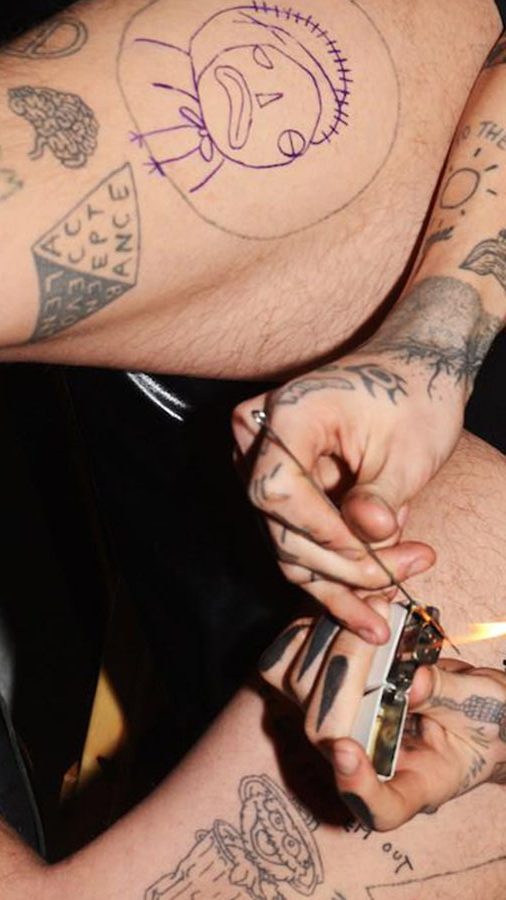
When most people say “Stick and poke”, they are usually talking about tattoos done without a machine and in an “unprofessional” environment. These are tattoos done with makeshift supplies, like sewing machine needles and india ink; maybe done at some party, or with friends. I refer to these as “scratcher tattoos”, and they usually speak to some kind of teenage rebellion, delinquency, or spontaneity— the common thread being that nobody doing these tattoos really has any expertise or experience tattooing in a more intentional context.
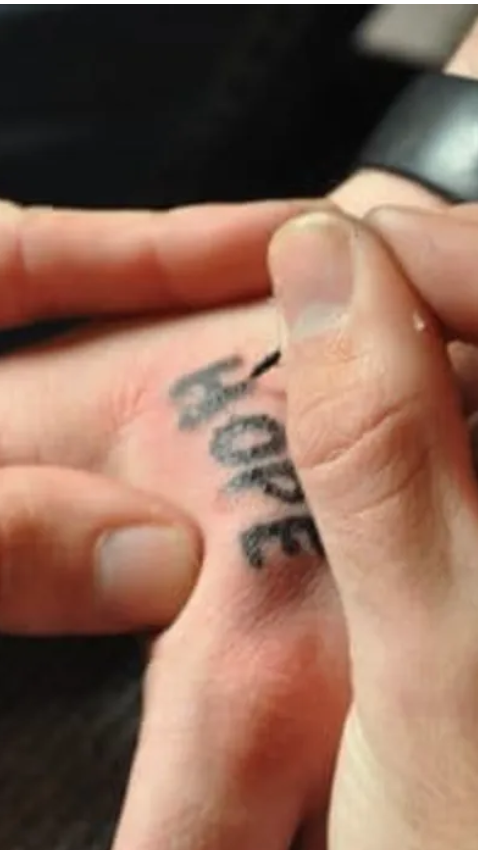
Scratcher tattoos are infamous for their disregard of health and safety standards, but they also tend to flaunt their disrespect of tattoo traditions by refusing to engage more meaningfully with the practice (Authority Tattoo, 2020). Not only are scratchers using unclean supplies, but they often stem from very little forethought and research into even the most basic hygiene practices. Not to mention that without some form of apprenticeship or peer support in the tattooing community, scratchers can avoid being held accountable for their work.
There are some scratcher tattooers who are one-time offenders who only tattoo themselves and their closest friends on a whim, and never touch the stuff again. While they certainly demonstrate an ignorance for safety and history which is far from ideal, these are not necessarily the horrific scratchers who intentionally disrespect the craft for their own personal gain. These are the scratchers who show up to the party with the intention of tattooing under negligent standards of hygiene, who mislead their clients, don’t prioritize informed consent, and still charge for their work. Unfortunately, there are scratchers out there who are predatory scam artists hoping to make a quick buck without any accountability for the quality of their work. These are the dangerous people parents warn their kids about.
Prison Tattoos
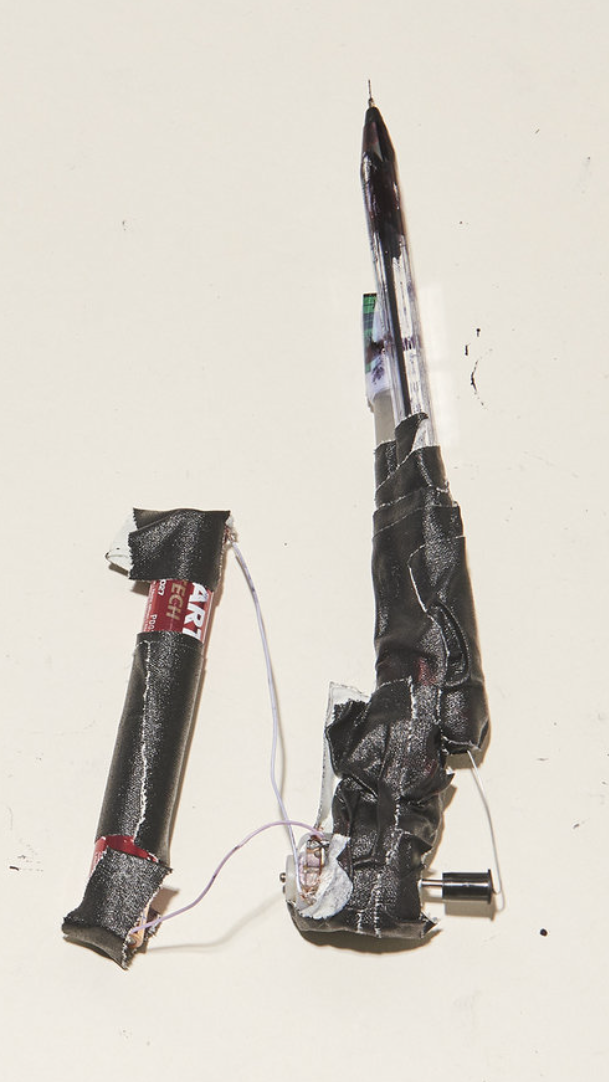
“Stick and pokes” can also include what people think of as “prison tattoos”. These tattoos also use unconventional materials, like guitar strings and pen cartridges, but oftentimes extend beyond poke by poke tattooing into impressively innovative makeshift machines (The Marshall Project, 2019).
Unlike scratchers, the culture of prison tattooing is full of codified symbols that are understood and recognized in different prison systems across the world (Cloak and Dagger, Prison Legal News, 2017).
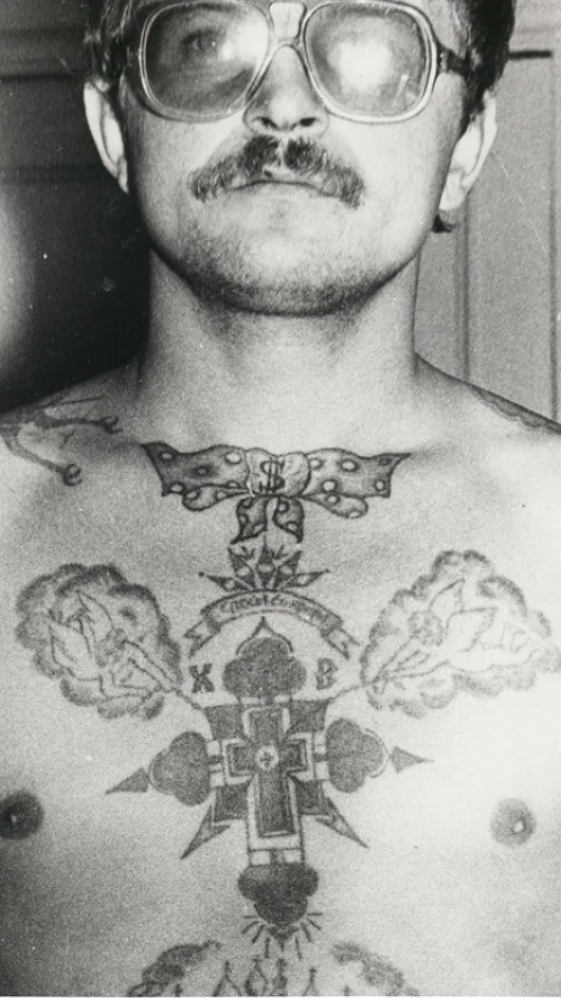
Still, prison tattoos are far from universal– Not only do they differ in their symbolism and application methods, but they execute different power dynamics. While they can be sources of pride, independence, or belonging, they can also be tools of shame and punishment. Not all prison tattoos are consensual, and much of the history of prison tattooing has emerged as a response to the compulsory tattooing of inmates throughout history (IKSI, 2020).
Indigenous Practices
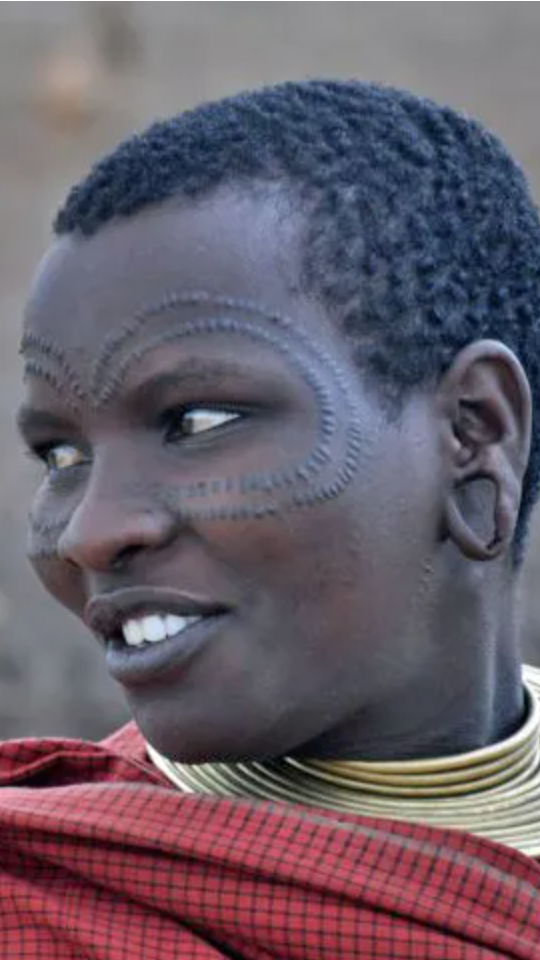
Lars Krutak
“Stick and poke” is also a label that covers many indigenous practices like hand tapping, skin stitching, and pigmented scarification(to name a few).
The plethora of indigenous tattooing methods that people call “stick and pokes” is expansive and multidimensional. Each of these techniques has been refined over centuries and contain extensive understandings of their own health, safety and social impacts.
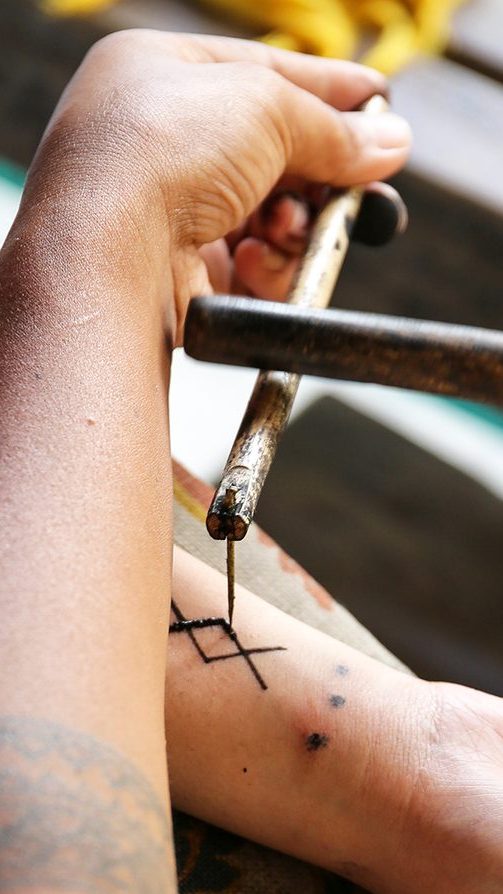
However, due to centuries of colonization that sought to eliminate indigenous cultural practices, not many people are aware of the depth and intricacies that make up these traditions. As such, even though tattooing as we know it wouldn’t exist without them, machine-free indigenous methods are consistently pushed to the outer fringes in our discussions of modern tattooing. Lumping these traditions together under the “stick and poke” label not only further diminishes their central role in the global evolution of tattooing, but perpetuates colonial violence by assimilating and erasing the wealth of knowledge embedded in each of these practices.
Handpokes
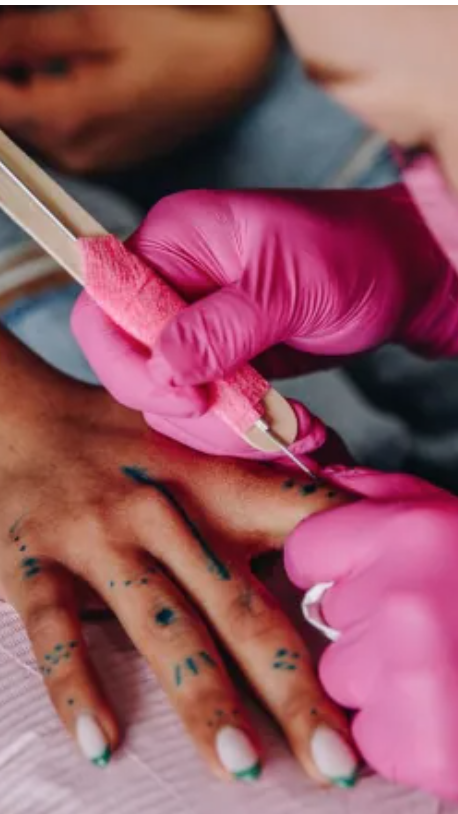
Lastly, “Stick and pokes’ ‘ can also refer to my own preferred method of tattooing, handpoking. Handpokers use modern materials, which are typically intended for machine tattooing, but are executed one poke at a time by hand.
Handpoking builds off of the hygienic standards developed by the machine tattoo industry, but handpokers are generally attracted to the slowness, sensitivity, and organic nature of machine free techniques (CBC, 2022). Handpokers have to battle the stigma of being associated with scratchers while carving their own space within the modern tattoo industry, which tends to be less than welcoming of artists doing “stick and pokes” of any genre.
While there are certainly crossovers between each of these styles and methods, in most respects they are more distinct than they are similar.
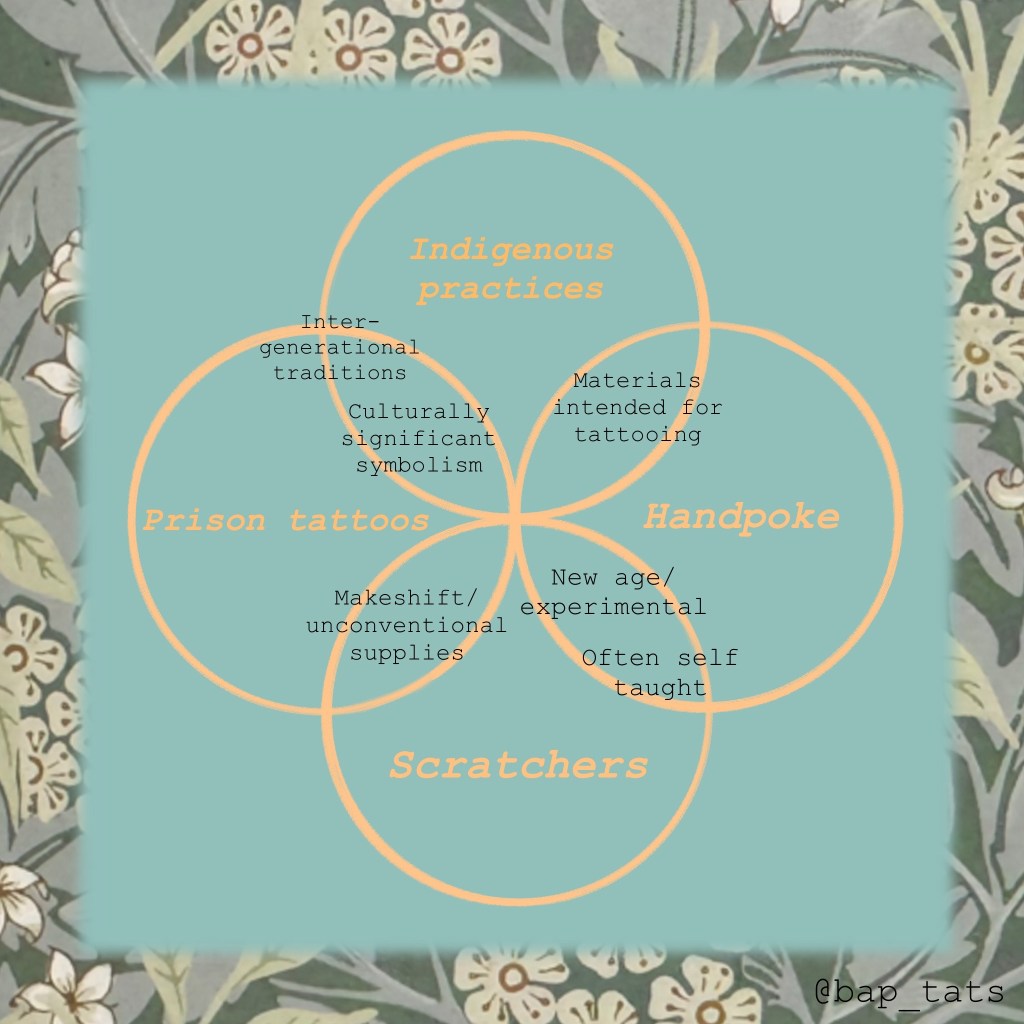
Personally, I think it’s time to retire the term “stick and poke”. Not only is it reductive and dismissive of machine-free practices, but it tends to create more confusion than clarity. It’s often impossible to know what type of tattooing the term is referencing whenever it is used in conversation– that is, until the exact method is specified, which makes using “stick and poke” redundant in the first place. Plus, when handpokes, indigenous practices, prison tats, and scratchers get lumped together under the same term, it posits them as equivalent— which they are certainly not.
Especially considering the wealth of vocabulary and specific terms that exist for all these techniques, I don’t believe that “stick and poke” is a helpful umbrella term anymore. What do you think? Drop a comment on how you define and use the term.

 Andy Pollard